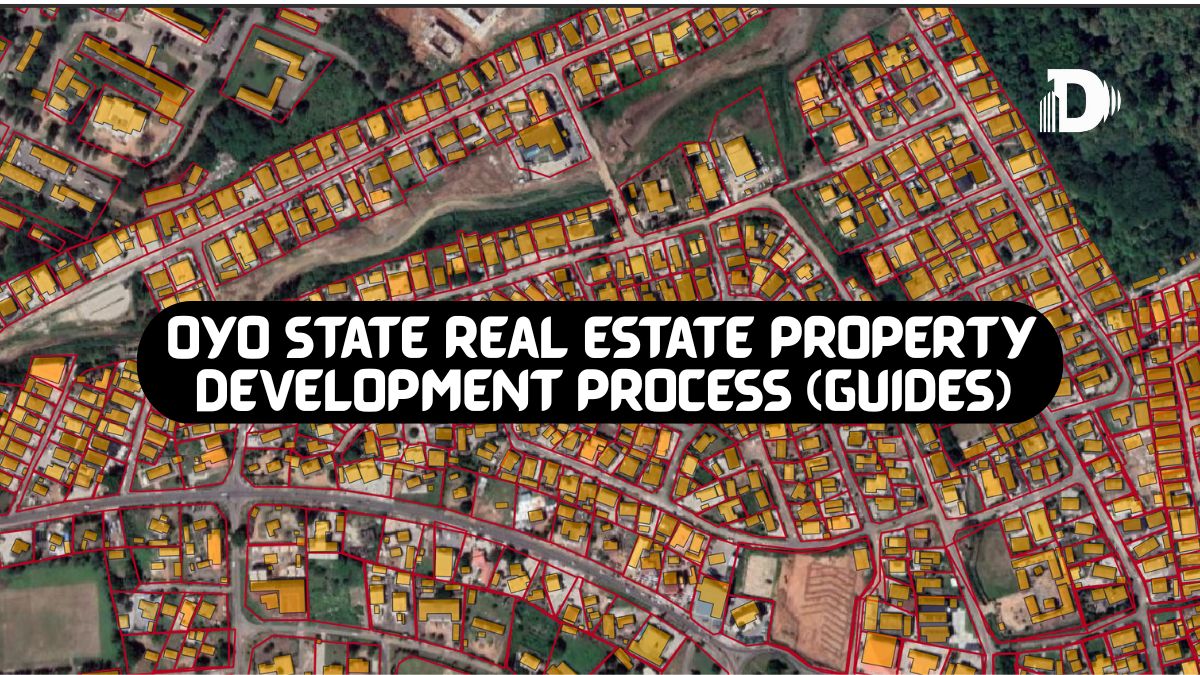

Oyo State property development is in phases. And today, we will be sharing everything you need to know about Oyo State property development processes. This step by step guide will take you through every nooks and crannies. Discover the complete property development process in Oyo State — from land identification and verification to design, construction, approval, and sales. A comprehensive guide by DEVALOP, Nigeria’s trusted real estate developer with strong tentacles in Ibadan real estate landscape. Introduction: Understanding the Oyo State Real Estate Landscape Oyo State, home to the historic city of Ibadan and a growing hub of modern urbanization, is becoming a powerful magnet for investors in Nigeria’s real estate market. With rapid infrastructural expansion, improved governance, and an awakening middle class, the state’s property development sector is on an impressive growth trajectory. However, navigating Oyo’s real estate development process requires deep understanding—of land tenure systems, regulatory frameworks, community relations, and legal compliance. This step-by-step guide by DEVALOP, one of Oyo’s leading real estate developers, unpacks the entire property development process in a clear and actionable way for investors, developers, and aspiring homeowners. STEP 1: Land Identification and Feasibility Study Every successful real estate project begins with strategic land identification. In Oyo State, the process involves: Pro Tip: DEVALOP’s project selection framework prioritizes lands with clear land titles, growth potential, and infrastructure access—like our flagship Cedar Court Ibadan, located in one of Ibadan’s fastest-growing residential corridors. Ibadan real estate development is one the rise due to massive expansion in the state capital. You cannot be wrong to invest in this part of the state. STEP 2: Title Verification and Land Documentation Oyo State operates under the Land Use Act of 1978, which vests all land ownership in the Governor. Therefore, due diligence is critical before acquisition. A visit to the Oyo State land title verification office can save you a lot of headache in the future. But if you aren’t cut for such stress, our professionals can help. Key documents to verify: At DEVALOP, we ensure all lands are legally verified through the Oyo State Ministry of Lands, Housing and Urban Development and the Surveyor General’s Office, ensuring zero land disputes post-acquisition. STEP 3: Land Acquisition and Community Engagement Once verification checks out, the next phase is formal land acquisition. This often involves two key stakeholders: Developers must engage both responsibly. Community engagement fosters goodwill and prevents the infamous “Omo Onile” drama—land grabbers who disrupt construction when local agreements are ignored. Best Practices: DEVALOP maintains strong community relations, ensuring peaceful and sustainable developments in all its projects across Ibadan and beyond. If you are looking for land for sale in Ibadan and environs, reach out to us. STEP 4: Physical Planning and Development Approval Before any construction, a development permit must be obtained from the Oyo State Physical Planning Authority (OYSPPA). Key requirements for building approval include: This step ensures your project complies with Oyo’s Urban and Regional Planning laws and building codes. Skipping this stage can result in project suspension or demolition by the Oyo State Government. STEP 5: Project Design and Budget Planning After obtaining your development approval, the project moves into the design and cost planning stage. This involves collaboration between: A well-detailed Bill of Quantities (BoQ) helps estimate material, labor, and overhead costs accurately. DEVALOP’s in-house construction arm—On-Site Devalop Synergy Ltd—handles this phase professionally, reducing cost overruns and ensuring top-tier project execution. STEP 6: Site Preparation and Construction The actual transformation begins here.Once approvals and budget align, the construction phase kicks off: Throughout construction, Oyo State officials may visit for site inspection and compliance checks. Maintaining transparency during these visits is crucial to avoid regulatory fines or delays. STEP 7: Infrastructure and Utility Connection Modern real estate projects go beyond just buildings—they need infrastructure. Developers should ensure: Sustainable infrastructure adds value to property resale and tenant satisfaction. At DEVALOP, we integrate green energy systems and smart infrastructure solutions that future-proof our estates. STEP 8: Landscaping, Branding, and Finishing The finishing phase turns a structure into a desirable real estate product. Landscaping, estate branding, gatehouse construction, and street lighting elevate the visual appeal and perceived value of your property. Cedar Court Ibadan’s modern landscape design exemplifies DEVALOP’s attention to aesthetics and livability. STEP 9: Marketing, Sales, and Documentation Transfer After completion, the project enters the marketing and sales stage.This involves: DEVALOP employs a 360° marketing system, combining digital marketing, influencer partnerships, and offline visibility to attract buyers from across Nigeria and the diaspora. STEP 10: Property Handover and After-Sales Support The final stage is handover and customer support.Clients receive all original documentation, property keys, and access rights. For estate projects, DEVALOP also provides: Our philosophy is not just to sell land, but to create thriving communities that grow in value and happiness. Conclusion: Building the Future of Oyo State Together Real estate development in Oyo State is no longer reserved for a select few—it’s an open field for bold investors and visionary developers. By following these ten steps, you can minimize risk, enhance compliance, and ensure long-term profitability. At DEVALOP, we don’t just build houses; we build the foundation for generational wealth. Whether you’re a first-time investor, a developer, or a diaspora buyer looking to build in Ibadan, our experts are ready to guide you every step of the way. Talk to DEVALOP Today Ibadan real estate development
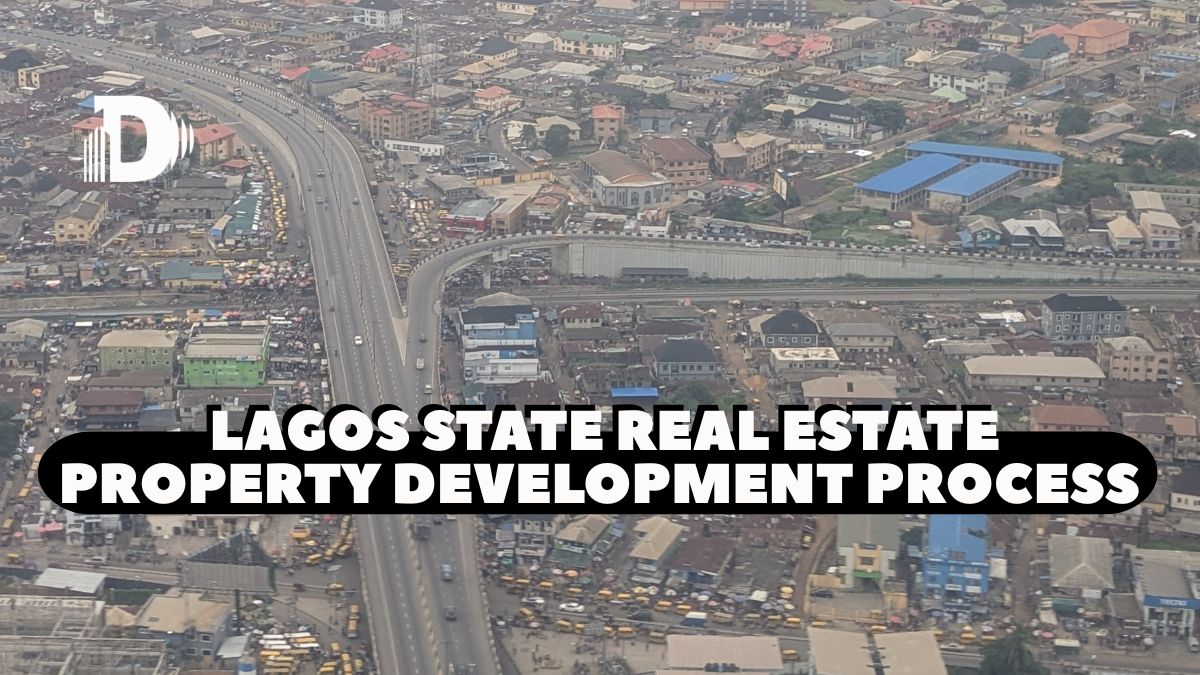
Lagos State Real Estate Property Development Process (Step-by-Step Guide)
Lagos is not just Nigeria’s commercial capital — it is Africa’s most intense real estate laboratory. Lagos is not just a city. Lagos is pressure. Lagos is opportunity in motion. Lagos is where land turns into legacy — or loss — depending on how well you understand the process. Every year, billions of naira are poured into property development across Lagos State. Some of those investments mature into estates, commercial hubs, rental cash machines, and generational assets. Others collapse into disputes, demolitions, abandoned projects, and court cases that last longer than the buildings themselves. The difference is not luck. The difference is process mastery. Every road expansion, every new estate, every demolished structure tells the same story: real estate success in Lagos is not accidental; it is procedural. At DEVALOP, we believe real estate wealth begins with clarity, not speculation. This guide is designed to walk you—step by step—through the entire Lagos State real estate property development process, from raw land acquisition to legal occupancy and profitable use. Whether you are a first-time buyer, an aspiring developer, a diaspora investor, or a corporate institution, this article explains what to do, why it matters, and how to do it right. A Complete Step-by-Step Guide for Investors, Developers, and First-Time Builders This guide breaks down, in plain language, the entire Lagos State real estate property development process, step by step — legally, technically, administratively, and strategically — so anyone can follow it without confusion. 1. UNDERSTANDING THE LAGOS REAL ESTATE ECOSYSTEM Before touching land, you must understand the terrain — not just physically, but legally and institutionally. “In Lagos, ignorance is expensive. The system is structured. The rules are documented. Enforcement is real.” Why Understanding the Lagos Real Estate Development Process Matters (Why Lagos Is Different?) Lagos State has one of the most regulated property environments in Nigeria. Unlike informal markets where buildings appear overnight, Lagos operates a layered system involving land laws, planning authorities, environmental controls, and building enforcement agencies. Lagos operates at a scale unlike any other state in Nigeria: You don’t “just build” in Lagos. You develop within a stated framework. And skipping any step can lead to: Understanding the process is not optional — it is the first investment. READ ALSO: Oyo State Real Estate Property Development Process (Step-by-Step Guide) 2. LAND ACQUISITION (THE FOUNDATION OF EVERYTHING) 2.1 Identify the Right Location for the Right Purpose Every real estate project begins with land — but not every land is developable. Or let’s put it this way, “every successful property development must begins with legally viable land.” Land acquisition exercise must begin and end with choosing the right land the right way. Land is not valuable just because it exists. It is valuable because of: A smart developer does not ask: “Is this land cheap?”Instead, they ask: “Can this land legally become what I want to build?” And that soul-touching question comes from the place of understanding of the lay of lands and its usefulness – not all lands are equals. 2.2 Understand Land Ownership in Lagos Under the Land Use Act of 1978, all land in Lagos State is vested in the Governor. What individuals and companies hold is not absolute ownership — it is a right of occupancy. This is why title documents matter more than location hype. If you don’t have it documented in the government’s database, you don’t have a land. Documentation is everything. 2.3 Common Land Title Documents in Lagos Before purchasing land, you must confirm the title type that comes with the land. The table below will guide you. You must understand these terms before paying a kobo: “Any land without a verifiable title path is high risk, not an investment.” – Olawale Daniel 2.4 Due Diligence: The Non-Negotiable Step Skipping due diligence is how people “buy problems”. Before payment: At DEVALOP, we treat land verification as risk engineering, not paperwork. 3. SURVEY & LAND REGISTRATION Once land is confirmed and acquired, it must be professionally defined, mapped, and registered. 3.1 Survey Plan Preparation A licensed surveyor prepares a survey plan showing: This survey is submitted to the Office of the Surveyor-General of Lagos State for charting. 3.2 Why Survey Charting Matters (Why Are Survey Plans Important?) A survey plan: And conducting a survey charting confirms: Survey plans must be charted at the Office of the Surveyor-General of Lagos State to confirm the land is developable. Without a survey plan to conduct a charting session at the Surveyor’s General office, no approval. No approval, no development. 4. ENTITY STRUCTURE (Company Formation) & LEGAL IDENTITY Serious real estate development requires a legal structure (legal personality). 4.1 Company Registration Registering a development company is a must and most noble step to properly and legally formalizes your existence in Lagos real estate development space. Developers are expected to: Government approvals, financing, and institutional partnerships are tied to corporate legitimacy. Why This Matters: 4.2 Industry-Specific Compliance Depending on scope of operations, developers may require: This step separates informal operators from institutional developers. By complying with some of these guidelines and directives, you just established your footprint in the Lagos State Real Estate Development space by moving from informal operator to institutional-grade developer. 5. DEVELOPMENT CONCEPT & FEASIBILITY STUDY Before drawing plans, developers must define intent. Clarity of purpose must exist. 5.1 Define the Development Type You must ask questions. Is the project: Upon knowing the development type, next on the list is to know what category your project falls into. Each category has: 5.2 Conduct a Feasibility Study & Financial Planning A solid feasibility study considers a lot of underlying factors that may delay or affect your development A feasibility study analyzes: This step prevents: Real estate rewards patience and planning — not guessing. 6. PLANNING PERMIT (THE HEART OF LEGAL DEVELOPMENT) This is where many people fail. Planning Permit is the legal gateway to construction. In Lagos State, no building is legal without a Planning Permit. 6.1 What Is a Planning Permit? It is official